
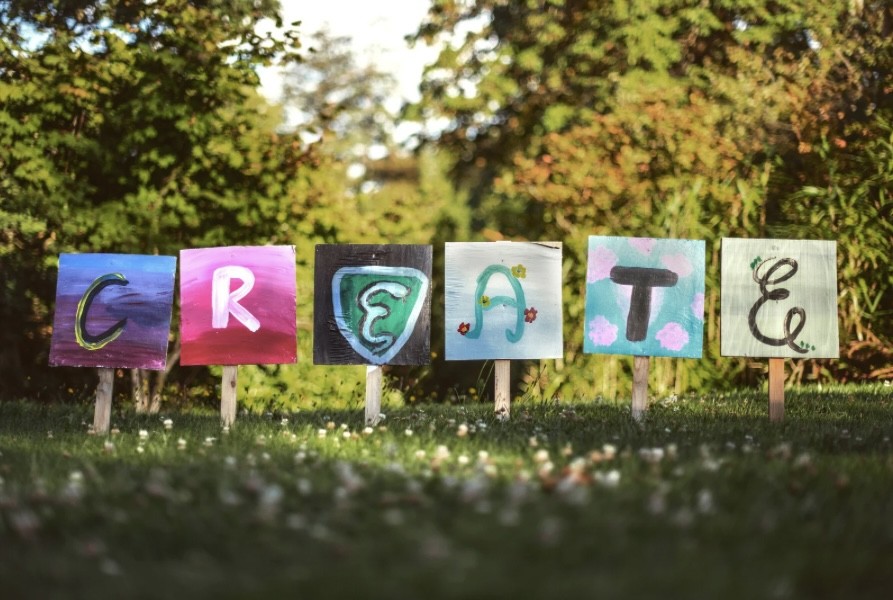
We live in a world that constantly nudges us to consume – from must-have gadgets to takeaway apps, bingeable shows, and same-day delivery. But what if one of the most powerful financial and life lessons we can pass on to our children isn’t just how to save or spend wisely, but how to create?
The balance between creation and consumption is something many of us haven’t been taught to think about consciously. Yet if we take a step back, it underpins so much of how we earn, manage, and grow money – and how we model behaviours that shape our children’s future money mindset.
This has been at the forefront of my mind as I’ve been building my online resources to help parents teach their children about money and finance. There is such an overlap between money, finance, creation and consumption when it comes to what our children see, hear and are influenced by that it is an area I was keen to explore further.
What Do We Mean by Creation vs Consumption?
Consumption is what we do every day – we consume food, energy, content, entertainment, and, of course, stuff. Consumption isn’t bad – it’s essential to live, learn, and enjoy life.
Creation, on the other hand, is about producing something: a product, a service, an idea, a piece of art, a solution to a problem – or, in financial terms, value.
We’re all both creators and consumers. The question is how can we strike the right balance? And importantly for those of us with children, how can we teach our kids how to find that balance too?
How Does This Apply to Money?
When we talk to kids about money, the first messages are usually about spending wisely and saving regularly. All very important. But what about the idea of creating money?
I don’t mean printing it in the shed. I mean:
- Earning money by solving problems or offering value
- Using money to invest, grow or build something
- Turning ideas into income – from side hustles to small businesses
- Creating financial systems in the home that give purpose to every pound
Growing up my own generation were never taught to think in an entrepreneurial way. And our schooling system was originally designed to prepare people to work for others – and that hasn’t really progressed over the years.
So how could this play out in today’s world? Let’s look at a few examples in daily life.
Consumption in Today’s Society
- Streaming endless videos vs. making a YouTube channel about a hobby
- Buying clothes online weekly vs. designing or upcycling clothes
- Spending pocket money instantly vs. saving up to buy tools to make something they can sell
- Spending salary each month vs. allocating a portion to invest… whether that’s in the stock market or in ourselves via learning a new skill
- Scrolling through TikTok vs. teaching others something valuable
The question we could be asking our kids – and ourselves – is:
Did you create something today, or did you only consume?
It’s not a guilt trip – it’s an invitation to shift perspective.
Earning: Are We Teaching Kids to Think Like Consumers or Creators?
We often ask kids what they want to be when they grow up. But what if we flipped the question and asked:
“What problems do you want to solve?”
“What things could you make, build, or share that would help people?”
It plants a seed that earning money isn’t just about trading time for cash – it’s about creating value.
In today’s world, especially with AI automating so many jobs, the skills that stand out are often creative, strategic, and entrepreneurial. Think:
- Building a brand
- Designing a product
- Creating content that educates or entertains
- Launching a business that fills a gap in the market
And kids don’t have to wait until they’re adults to get started.
Practical Ways to Teach Creation Over Consumption
1. Encourage Creative Earning Projects
Help children think about how they can make money, not just receive it.
- Younger kids: making greeting cards, bookmarks, or simple crafts to sell to family
- Older children: baking for neighbours, offering basic tech help, or selling unused items online
- Teens: setting up Etsy shops, running workshops at school, or starting digital services like editing videos or creating social media posts
These experiences show them how effort, creativity, and value can turn into income. Link them to charity, or to a savings goal to maximise the learning opportunity.
2. Talk About Investments, Not Just Spending
If kids get pocket money or birthday cash, encourage a portion of it to go into something that might grow their money:
- Buying supplies to create something they can sell
- Investing in stocks (yes, kids can learn this – even using practice apps or your own account as a parent)
- Starting a little business idea with your help
Show them how money isn’t just for spending – it’s a tool that can multiply when used wisely.
3. Model It Yourself
If we want our kids to grow up with a creator’s mindset, we need to show them how we use money creatively too.
That could be:
- Sharing how you built a side hustle
- Talking openly about a career pivot that involved creating a new path
- Involving them in decisions like switching energy providers, negotiating deals, or repurposing things instead of buying new
Ways to model creating value can be found in lots of different places.
Responsible Consumption: It’s Not About “Never Spending”
Consumption is a natural part of our life – so it’s important to strike a balance and not demonise it. But it’s also very easy given the culture we live in, for it to become our whole life.
We’re not aiming for guilt trips every time we buy a coffee or treat the kids to a takeaway.
Instead, it’s about mindful consumption.
Ask your kids:
- Do I really need this or do I just want it right now?
- Could I make something similar myself?
- What else could I do with this money?
- If I buy this, will I still value it in a month?
Teaching responsible consumption is about helping children pause and think, not just act. It’s a skill that builds long-term financial wellbeing.
Why This Matters in an Age of AI
As we sit on the precipice of the AI evolution, with many traditional jobs potentially expected to change or disappear, we can use this concept to focus on what AI can’t easily replace:
- Original thinking
- Emotional intelligence
- Problem-solving
- Creativity
The future belongs to those who can create, adapt and lead. That’s the world we’re preparing our children for – not one where they follow scripts, but where they write their own.
Encouraging them to be creators now – even in small, playful ways – builds the mindset they’ll need in a world where the rules are changing fast.
What Are We Really Modelling?
Take a moment to reflect on your own daily life.
- Are you always buying, or sometimes building?
- Do your children see you as someone who creates value, or only spends it?
- How often do you talk about how money is earned and grown, not just how it’s spent?
These moments matter more than we think. Kids are watching. Always.
Questions to Spark Conversations With Your Kids (and Yourself)
- What’s something we could make instead of buy this week?
- If you were to earn £5 today, what could you do to make it?
- How could we use this money to create more money?
- What are you really good at that could help others?
- Can we create a product, service or experience together as a family?
Final Thoughts: Build a Household That Creates
At the end of the day, we can’t protect our kids from every financial challenge – but we can equip them with a mindset that helps them navigate it.
That starts with shifting the focus from just managing money to creating with it. From passively consuming to actively producing. From spending on autopilot to thinking like a builder, a maker, a creator.
Start small. It could be a conversation around the dinner table. A cake sale. A joint family project. A decision to build something together instead of buying it.
Because when we choose to create, we teach our children that money isn’t just something that slips through fingers – it’s something they can shape.
Let’s raise a generation of creators. It starts at home.